
Stronger Literacy Outcomes Start With Understanding Student Needs
From PK–3 foundational skills to grades 3–8 intervention, RGR helps district teams identify specific literacy needs, strengthen educator-led instruction, and use evidence of progress to adjust support across schools.
Helping educators turn reading science into practical instruction.
Since 2025, RGR students have mastered 15.6 million foundational reading skills — 4.2 million of those in the last quarter alone.
Partnering with educators and leaders across diverse school systems.
RGR Nova brings assessment, instruction, and professional learning together in one teacher-led system. District teams can see what each student needs next, act on it across classrooms, and track whether it’s working. It covers foundational skills for PreK–3 and intervention for grades K–8.
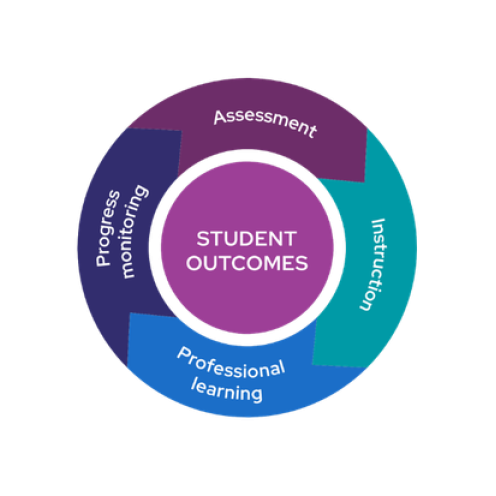
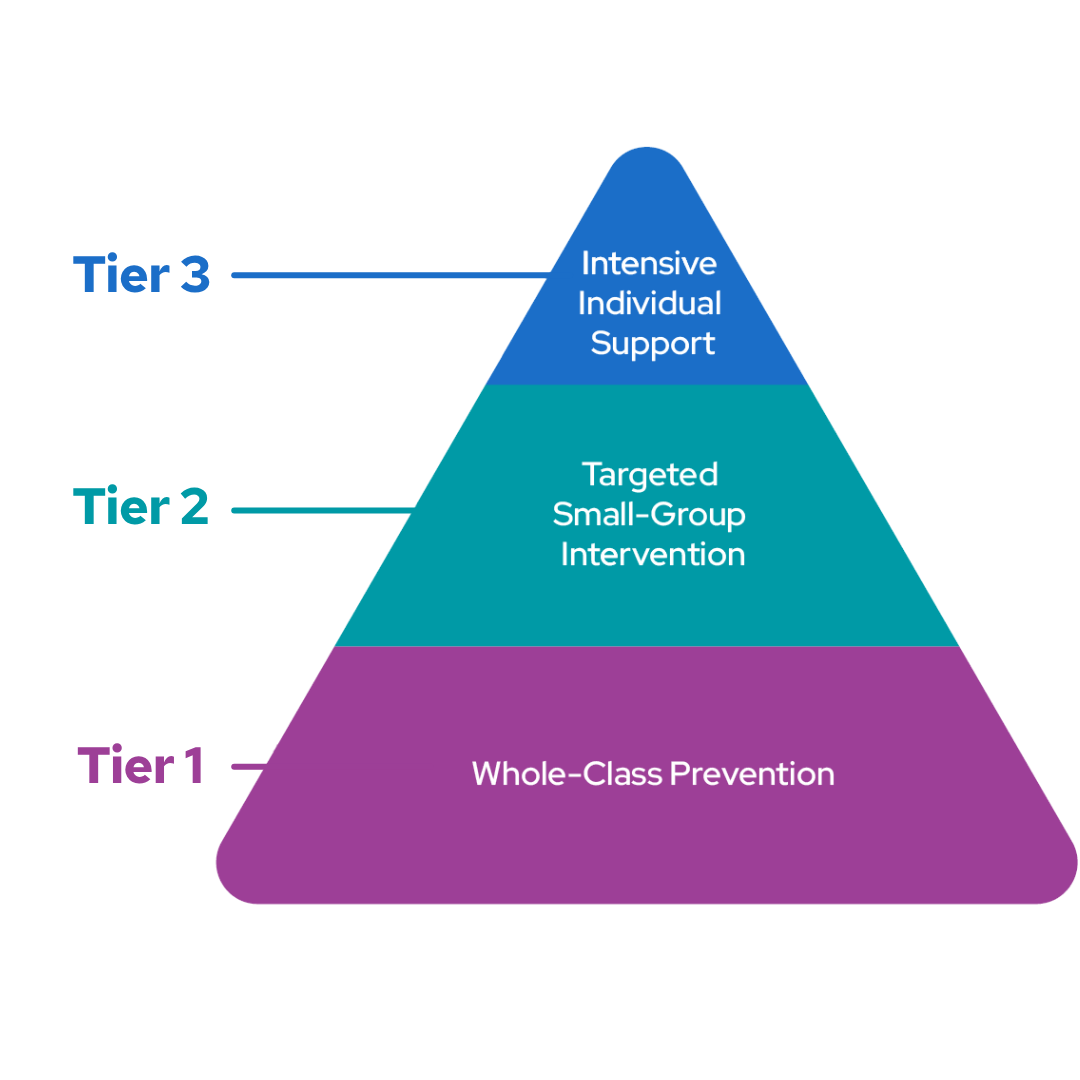
Broad performance data can show where support may be needed. More specific skill information helps educators decide what to teach next and progress evidence helps teams understand whether that support is working.
For 20+ years, RGR has helped districts turn reading research into practical decisions about instruction, intervention, and educator support so more students make measurable progress.
Support strong foundational reading skills with explicit, systematic instruction designed for both core and intervention settings.
Identify and address the underlying skill gaps that can make grade-level reading difficult, with targeted instruction designed for older students.
Give students meaningful opportunities to apply developing phonics skills with age-appropriate decodable texts that support accuracy and fluent reading.
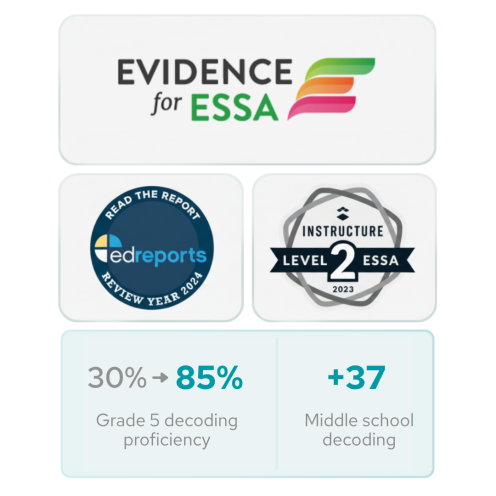
Independent reviews validate RGR's instructional quality and evidence base. District results show measurable progress across core instruction and intervention.
See district results:
Education leaders have more evidence, better tools, and greater visibility into student learning than ever before. We believe the opportunity is to align those advantages around what matters most: measurable, sustained student progress.
That belief is at the heart of the Education Outcomes Movement and RGR’s approach to helping district teams connect literacy investments, educator expertise, and evidence of progress.

Districts nationwide partner with RGR to strengthen core instruction, match intervention to student need, and see measurable reading progress across schools.






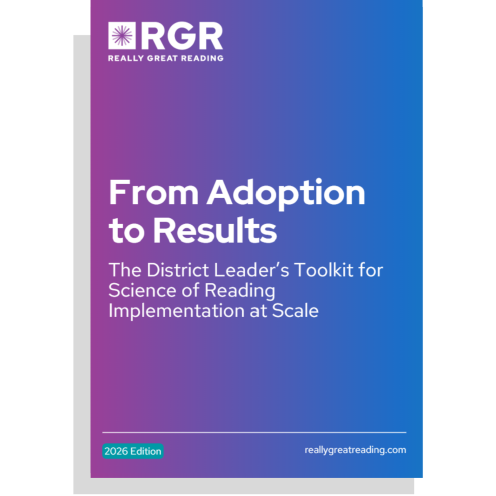
Turn literacy investments into stronger implementation with practical guidance for connecting curriculum, professional learning, assessment, and intervention.
When foundational reading gaps persist, districts need to identify what students need, strengthen the instructional response, and act on evidence of progress before those gaps become harder to close.
What does Really Great Reading do?
Really Great Reading (RGR) helps school districts improve literacy outcomes through PK–3 foundational skills instruction, grades 3–8 reading intervention, K–8 decodable practice, assessment, professional learning, and progress monitoring. RGR works alongside district teams to identify specific student needs, match instruction and intervention to those needs, and use evidence of progress to adjust support across schools.
Does RGR replace our core reading curriculum?
No. RGR strengthens the reading program you already run. Districts use our whole-class foundational skills instruction, targeted Tier 2 intervention, and decodable texts and hands-on tools alongside any core curriculum — so the investments you have already made work harder.
How does RGR reading intervention work?
RGR uses diagnostic assessment to identify the specific decoding and word-level skills keeping students from grade-level text. Educators deliver explicit, systematic instruction matched to those gaps, students practice with age-appropriate decodable texts, and progress monitoring shows whether the intervention is working or needs to change.
Is Really Great Reading evidence-based?
Yes. RGR’s approach is grounded in the science of reading and more than 20 years of literacy work with 2,000+ districts. RGR programs have earned recognition from Evidence for ESSA and EdReports. Since 2025, RGR students have mastered 15.6 million foundational reading skills — 4.2 million of those in the last quarter alone.