
Literacy Built Around Mastery, Accountable to Results
COMING THIS FALL
Every literacy investment should lead toward students mastering the skills they need to read, write, and comprehend with confidence.
The Literacy Outcomes System (LitOS™) from Really Great Reading brings assessment, skill mastery, scalable classroom instruction, and continuous improvement together in one connected system. And we’re putting more than our name behind it. With outcomes-based partnership options, Really Great Reading can share accountability for achieving defined student results.
A First for Literacy: The Literacy Outcomes System

Districts make decisions about instruction, staffing, professional learning, and resources every day. LitOS™ connects insight into student learning with research-engineered instruction, professional learning, implementation support, and evidence of progress. Its intelligence turns what the system learns into what happens next, helping educators advance skill mastery, strengthen instruction, and continuously improve outcomes at scale.

That’s the promise of a Literacy Outcomes System: connecting what districts put in place to the skills students master and the outcomes they achieve.
TO: Knowing what skill each student needs to master next
TO: Turning student needs into instruction at scale
TO: Sharing accountability for measurable results
See how the first Literacy Outcomes System connects student needs to skill mastery, scalable instruction, and measurable outcomes.
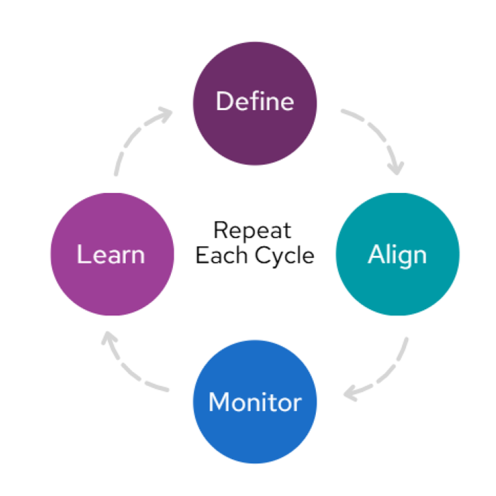
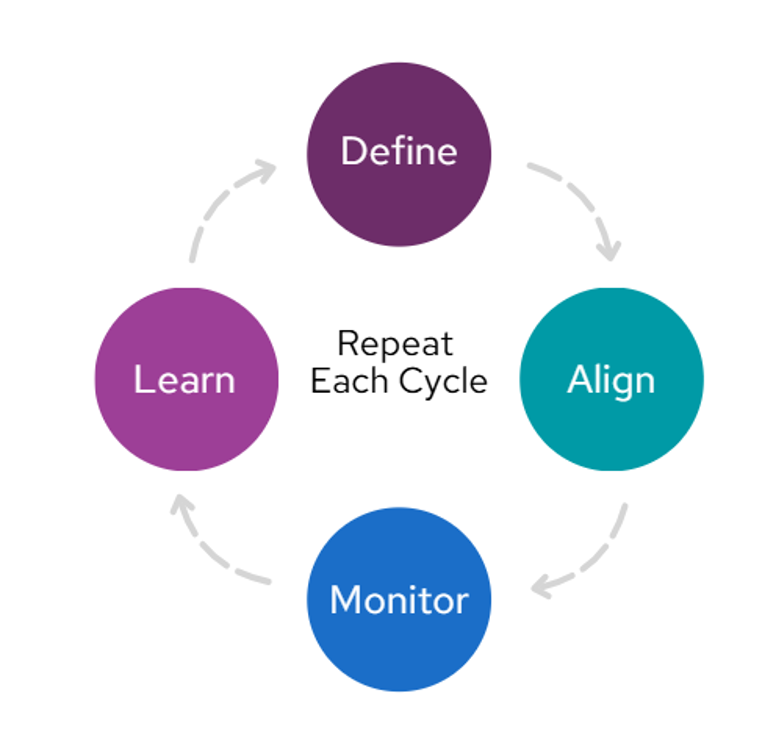
LitOS turns student evidence into continuous improvement.
What students demonstrate builds a more precise picture of what they know, what they’re ready to learn, and where they need support. LitOS uses that intelligence to inform instruction, practice, progress monitoring, and adjustment, keeping educators at the center of every decision.
Each cycle sharpens the path toward skill mastery and stronger student outcomes.
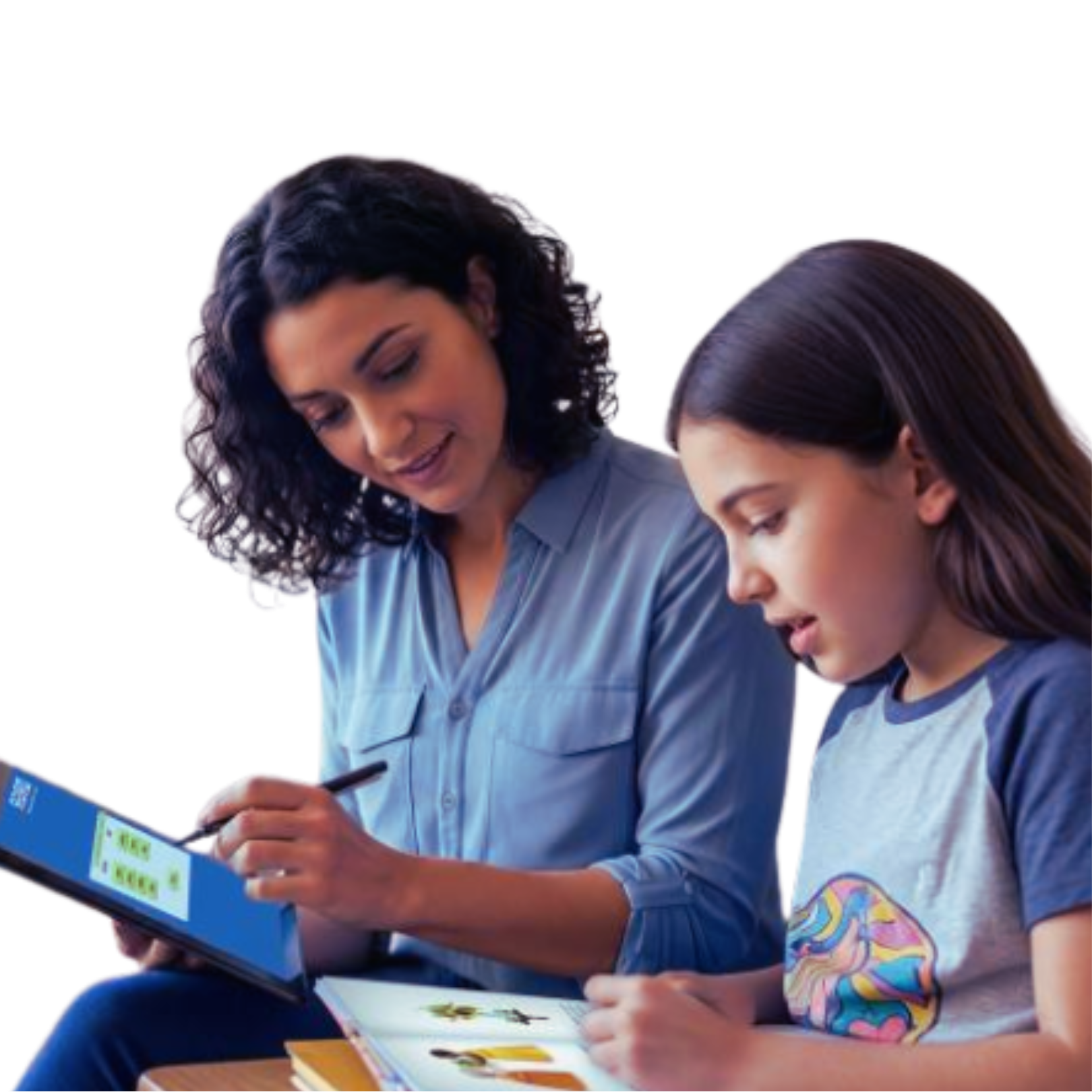
Turn everyday instruction into an opportunity to build educator expertise.
Professional learning is embedded in the work educators do every day. Teachers gain deeper insight into student learning, targeted guidance for instruction, and ongoing opportunities to strengthen their knowledge and instructional practice.
LitOS provides the intelligence. Educators bring the judgment. The expertise you build stays with your district.
Becoming a proficient reader requires interconnected skills across word recognition, language, and written expression. LitOS brings three strands of literacy instruction together in one connected system, building toward mastery across the skills students need to read, comprehend, and write successfully. One system, with the breadth to support foundational literacy in Tier 1 and precise, targeted intervention when students need additional support.
Build accurate, fluent word reading from foundational decoding through increasingly complex multisyllabic words and meaningful word parts.
Build the vocabulary, language knowledge, and comprehension skills students need to make meaning from increasingly complex language and text.
Develop students' ability to communicate what they know through increasingly sophisticated written language.
What Changed for Students? It's a simple question with big implications.
For too long, education investment has been measured by what was purchased, delivered, implemented, and used. The Education Outcomes Movement puts the focus on what those investments actually produce for students.
LitOS brings that commitment to literacy, connecting implementation, skill mastery, and evidence of progress with shared accountability for results.
The first Literacy Outcomes System (LitOS™) connects skill mastery, scalable instruction, educator expertise, continuous improvement, and shared accountability for results.
LitOS connects student learning, instruction, and implementation from the individual student to the classroom, school, and district, giving everyone a clearer view of skills, progress, needs, and results.

Instruction responds more precisely to what each student knows and needs, building toward greater proficiency as a reader and writer

Student insight, instruction, practice, and professional learning work together, helping educators make informed instructional decisions while deepening their own expertise.

Student progress and implementation come into clearer view across classrooms and schools, helping leaders see what's working, where support is needed, and where to act.
What is a Literacy Outcomes System (LitOS)?
A Literacy Outcomes System (LitOS) is a connected literacy system that brings together assessment, instruction, student practice, professional learning, implementation, and data to help districts improve and measure student literacy outcomes.
Really Great Reading (RGR) is developing the first Literacy Outcomes System. The RGR LitOS is designed to help educators understand what students know and need, connect that insight to instruction, monitor student progress, and use evidence to continuously strengthen what happens next.
What should schools look for in a middle school reading intervention program?
Schools should look for middle school reading intervention that helps educators identify specific student needs, provides explicit instruction matched to those needs, uses age-respectful materials, and includes progress monitoring.
For older readers, intervention may need to address advanced phonics, multisyllabic word reading, automatic word recognition, fluency, morphology, vocabulary, language structures, or comprehension. The instructional focus should reflect each student’s reading profile rather than assume every student needs the same support. The intervention guide similarly emphasizes that older students may have needs in word recognition, automaticity, language comprehension, or a combination.
How is a LitOS different from a traditional literacy program?
A traditional literacy program typically provides curriculum and instructional materials for a specific instructional need. A Literacy Outcomes System (LitOS) connects literacy instruction with the broader system surrounding it, including assessment, student practice, professional learning, implementation, data, and evidence of student progress.
In the Really Great Reading LitOS, student evidence informs instruction, instruction and practice generate new evidence of learning, and educators use that information to determine what comes next. District and school leaders also gain greater visibility into student progress and implementation across classrooms and schools.
Why is Really Great Reading creating a LitOS?
Really Great Reading (RGR) is creating the first Literacy Outcomes System (LitOS) as an expression of the Education Outcomes Movement (link to EOM page) in literacy. The Education Outcomes Movement is a broader shift toward putting measurable student outcomes at the center of education decisions.
RGR believes literacy investments should ultimately be measured by the outcomes they help students achieve. The RGR LitOS brings student insight, instruction, educator expertise, implementation, and evidence together around that goal, helping districts understand what students need, see what is working, know where to act, and build the internal capacity to continuously improve literacy outcomes.
What literacy skills will the Really Great Reading LitOS address?
The Really Great Reading Literacy Outcomes System (LitOS) is designed around three interconnected strands of literacy instruction: Phonics & Morphology, Language for Comprehension, and Writing.
Together, these three instructional strands address the word-reading, language, comprehension, and written-expression skills students need to become proficient readers and writers.
Are Phonics & Morphology, Language for Comprehension, and Writing separate programs?
No. Phonics & Morphology, Language for Comprehension, and Writing are three interconnected instructional strands within the Really Great Reading Literacy Outcomes System (LitOS). They are not separate product brands.
The LitOS brings these areas of literacy development together within one connected system while helping educators address different student needs across literacy instruction.
What role does the educator play in the LitOS?
Educators remain at the center of instruction in the Really Great Reading Literacy Outcomes System (LitOS). LitOS is designed to give educators deeper insight into student learning, connect that information to instructional guidance and resources, and support professional learning and expertise over time.
Technology provides educators with useful intelligence and support, while educators apply their professional knowledge and judgment to make instructional decisions. The goal is to strengthen educator expertise, not replace it.
How does professional learning fit into the LitOS?
Professional learning is an integrated part of the Really Great Reading Literacy Outcomes System (LitOS) rather than something separate from instruction and implementation.
LitOS is designed to connect educators with relevant professional learning and support in the context of their work, helping them deepen literacy expertise and strengthen instructional practice over time. By building educator knowledge alongside student learning, the LitOS helps districts develop lasting instructional capacity.
How will the Really Great Reading LitOS help district and school leaders?
The Really Great Reading Literacy Outcomes System (LitOS) is designed to give district and school leaders greater visibility into student progress, literacy implementation, and areas that may require attention across classrooms and schools.
That visibility can help leaders understand what is working, where students or educators may need additional support, and where to act. By connecting student outcomes with instruction and implementation, the LitOS also helps districts build evidence about the effectiveness of their literacy investments and strengthen instructional capacity over time.
What grades and instructional needs will the Really Great Reading LitOS support?
The Really Great Reading Literacy Outcomes System (LitOS) is being designed to support multiple literacy needs across PreK–8, including PreK–3 foundational literacy instruction and K-8 intervention.
When will the LitOS be available?
The Really Great Reading Literacy Outcomes System (LitOS) is coming this fall and is planned to support school year 2027 implementations.
Educators and district leaders can sign up to be among the first to learn more about LitOS, including upcoming product announcements, availability, and what the first Literacy Outcomes System will mean for literacy instruction, educators, students, and districts.