
IMRA-Approved Literacy Solutions Built for Texas Schools
RGR helps Texas schools deliver explicit, structured literacy instruction for K–3 foundational skills and targeted intervention for upper elementary and adolescent learners. With IMRA-approved, TEKS- and ELPS-aligned materials, districts can support decoding, fluency, vocabulary, and comprehension across grade levels.


From K–3 foundational skills to dyslexia services and Tier 2/3 intervention, RGR helps Texas districts provide consistent, evidence-aligned reading support across classrooms, campuses, and grade levels.
100% TEKS- and ELPS-aligned foundational literacy materials designed for Texas classrooms.
Structured literacy routines that help districts deliver consistent support across grade levels.
Targeted reading support for students who need additional instruction in decoding, fluency, and comprehension.
Look up your district’s purchasing options, understand Texas funding terms, and get support from RGR's Texas Literacy Specialist.
Texas leaders are being asked to accelerate reading growth while maintaining alignment to the Science of Reading, TEKS, HB 3 mandates, MTSS frameworks, STAAR performance targets, dyslexia services across grade levels, and support for students with exceptional needs and Emergent Bilinguals. The challenge is not simply finding another program. It is finding an intervention partner that helps teachers act quickly, consistently, and confidently.
Many Texas students move into upper grades with unfinished foundational skills. Decoding, fluency, and word-level gaps continue to impact comprehension, confidence, and STAAR performance.
Educators need explicit lessons, low-prep routines, and consistent instructional practices that support struggling readers without adding another planning burden.
Schools need intervention partners aligned to TEKS and the Science of Reading that provide evidence, implementation support, and flexibility for districts and principals.

RGR provides structured, explicit, multisensory literacy routines designed to support students with diverse needs — including students receiving special education and dyslexia services. As Texas districts increasingly align dyslexia support within special education frameworks, schools need consistent intervention approaches that support decoding, fluency, vocabulary, and comprehension across grade levels.
For early elementary students, RGR supports the foundational skills that drive reading success: phonological awareness, phonics, decoding, fluency, high-frequency words, spelling, and handwriting. RGR's K-3 Foundational Skills are now IMRA-approved for Texas, with explicit routines and teacher-friendly tools designed for Reading Academies pedagogy.
For students in grades 3–5 who can read some words but still struggle with multisyllabic decoding, fluency, vocabulary, morphology, and comprehension, RGR gives schools a pathway beyond early phonics. Use HD Word to strengthen complex word reading and Orbit to help students move from decoding words to understanding complex text. Orbit TX is submitted for IMRA 2026.
Texas's older striving readers need more than STAAR prep passages. RGR's adolescent pathway helps middle school students strengthen decoding, multisyllabic word reading, fluency, vocabulary, morphology, and comprehension through age-respectful instruction and teacher-friendly tools. It's a practical way to address literacy gaps while building confidence and supporting access to grade-level text.
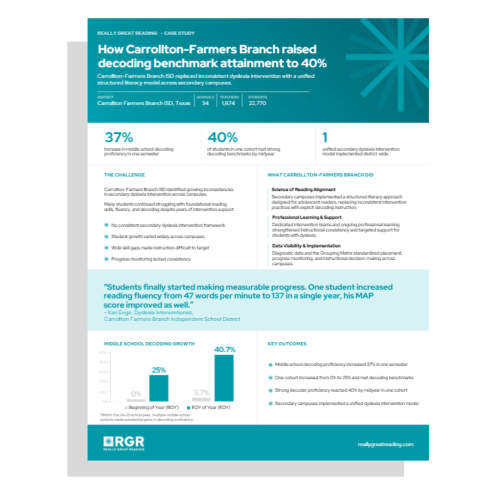
Carrollton-Farmers Branch ISD switched to structured literacy for older learners, raising secondary dyslexia decoding benchmarks from 2% to 40% by midyear.
The challenge: Inconsistent secondary dyslexia practices and limited alignment for older learners across campuses.
The approach: RGR's Reading Intervention for Grades 6-12, with standardized placement and progress monitoring across all secondary campuses.
The result: One middle school cohort grew from 3.7% to 40.7% strong decoders in a single year.
Texas schools do not just need materials. They need evidence, implementation support, teacher confidence, and measurable student progress. RGR brings together IMRA-approved foundational literacy, third-party evidence, professional learning, and practical implementation support for schools and districts.
Close the gap from decoding to comprehension with 4 weeks of full access. You’ve seen the research — now see the results.
"I had a student who fought me for months. The next year she asked specifically to return to my class. She now tells other kids, 'Do this. It works."
If you’d like to explore how RGR can support your students, we’d be glad to connect.
Texas districts are navigating major literacy expectations under HB 3 and HB 1605, while many core ELA contracts remain in place. That makes supplemental and intervention purchasing especially important.
Practical intervention support for students who need more explicit instruction across grades K-12.
A coherent literacy and intervention pathway aligned to TEKS, MTSS frameworks, and STAAR priorities.
Structured, multisensory literacy support designed for students receiving dyslexia and special education services.

Texas Regional Partner
A former educator and administrator, Kevin has helped districts adopt high-quality materials, strengthen foundational systems, and implement effective literacy practices. He'll help you identify the right starting point for your campus or district.

Director of National Partnerships
Roberta leads RGR's work with large districts and statewide partners on multi-campus literacy initiatives. She'll help you scope district-wide planning, align implementation with funding timelines, and connect you with peer districts at similar stages.
Really Great Reading has been approved through the Texas Education Agency's IMRA process, placing RGR on the Texas SBOE list of approved instructional materials.
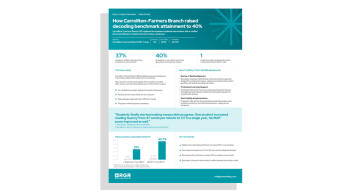
How one Texas district moved adolescent decoding benchmarks from 0–2% to 40% in a single semester by adopting RGR's Reading Intervention for Grades 6-12.
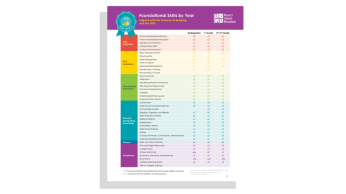
A comprehensive guide showing how RGR's Foundational Skills Solution is fully aligned with TEKS by grade level — for curriculum leaders validating instruction against Texas standards.



Is RGR approved for Texas instructional materials use?
Yes. As of December 2, 2025, RGR's K-2 Foundational Skills programs are approved through the Texas Education Agency's IMRA process and are on the Texas State Board of Education's list of approved instructional materials. The approval covers 100% alignment to Phonics TEKS with full ELPS support, meets accessibility and assessment requirements, and reflects Reading Academies pedagogy. Orbit TX, our upcoming Grade 3 program, has been submitted for IMRA 2026.
Is this only for early elementary?
No. RGR offers intervention pathways for elementary, upper elementary, and adolescent learners — kindergarten through grade 12. For many Texas districts, the strongest entry point is Tier 2 and Tier 3 intervention in middle and high school, where foundational gaps continue to affect STAAR performance and student confidence.
Can RGR support our dyslexia services?
Yes. RGR's structured literacy approach is built for the kind of explicit, systematic, multisensory instruction that supports students receiving dyslexia services across grade levels. Programs like HD Word and Phonics Blitz are designed for older learners who still need foundational support. The Carrollton-Farmers Branch ISD case study shows the impact in practice — secondary decoding benchmarks moved from 0–2% to 40% in a single semester.
Can RGR support adolescent readers?
Yes. RGR's adolescent pathway — built around HD Word and Phonics Blitz — is designed for middle and high school students who need explicit instruction in decoding, multisyllabic word reading, fluency, and vocabulary. The approach is age-respectful and works within typical secondary scheduling.
Does Really Great Reading have Texas-based evidence?
Yes. Carrollton-Farmers Branch ISD has built a district-wide secondary dyslexia program using RGR's Reading Intervention for Grades 6-12, with 40% of students receiving dyslexia services meeting strong decoding benchmarks by midyear of the 2025-2026 school year. Additional Texas implementations include La Grange ISD, where instructional coaches report transformed reading outcomes among primary students.