
Seneca Area School District Case Study
Building a Culture of Literacy Through Consistent Instruction
How Seneca strengthened kindergarten decoding skills by 83%
Structured literacy instruction strengthened foundational skills, improved decoding growth, and built instructional consistency across K–5 classrooms.
In partnership with RGR, Seneca Area School District aligned structured literacy instruction across K–5 classrooms to strengthen decoding growth and foundational reading skills.
- Seneca, Wisconsin
- 255 Students
- 21 Teachers
- 3 Administrators
- 1 Elementary Schools
- 1 Middle Schools
- 1 High Schools
- 45% Economically Disadvantaged
By championing science-aligned instruction and teacher-friendly routines, Seneca Area School District achieved measurable, districtwide improvements in PK–5 classrooms.
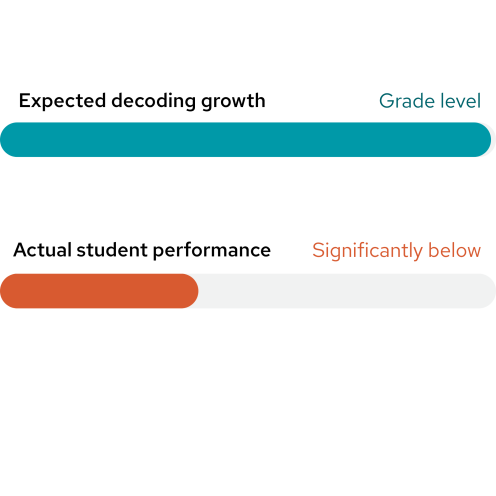
District leaders recognized persistent decoding and fluency gaps across grades K–5 despite strong relationships and small class sizes. Without a systematic Tier 1 phonics approach, students were not receiving consistent foundational skills instruction across classrooms. Leaders needed a stronger literacy framework that could strengthen decoding growth, improve fluency, and build consistency across instruction.
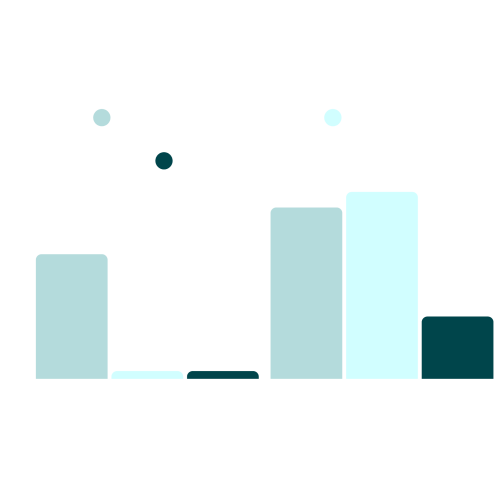
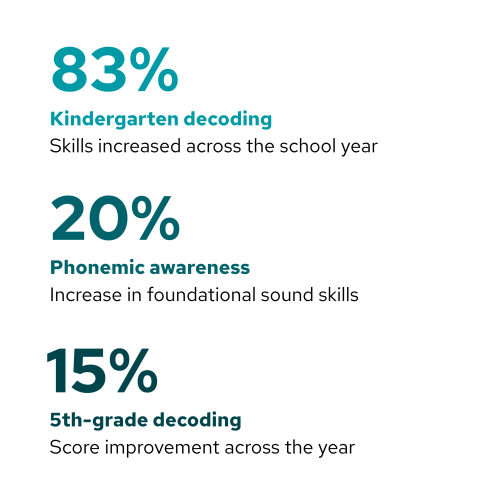
Kindergarten students demonstrated measurable gains in decoding, phonemic awareness, and high-frequency word recognition following daily structured literacy instruction. Across the school year, kindergarten decoding skills increased by 83%, while phonemic awareness increased by 20%, reinforcing stronger foundational reading outcomes and instructional consistency across classrooms.
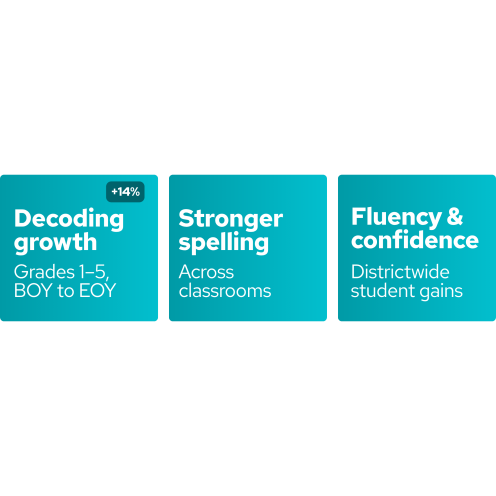
Students across grades 1–5 demonstrated steady decoding growth following districtwide structured literacy implementation. Fifth-grade decoding survey scores increased by 14% from beginning of year to end of year, while teachers reported stronger spelling performance, fluency, and student confidence across classrooms.
“We have a distinct line in our data. The group that [used RGR] in first grade is consistently performing stronger — their spelling scores are higher, and they have the confidence to explain the ‘why’ behind their reading.”
Seneca embedded structured literacy into daily classroom instruction, creating stronger alignment across K–5 while strengthening decoding growth, fluency, and foundational reading skills.
Seneca Area SD implemented structured literacy routines across K–5 classrooms to strengthen phonics, decoding, fluency, and foundational reading instruction.
Teachers received ongoing coaching and professional learning that strengthened instructional consistency, classroom implementation, and staff buy-in.
Diagnostic data, shared routines, and decoding surveys guided intervention decisions and strengthened literacy alignment across grade levels.
What began as a response to decoding and fluency gaps became a districtwide literacy transformation rooted in consistent, evidence-based instruction. Kindergarten decoding skills increased by 83%, phonemic awareness increased by 20%, and fifth-grade decoding scores improved by 14% across the school year. Teachers also reported stronger spelling performance, increased student confidence, and greater consistency across K–5 literacy instruction.
See How Districts Like Seneca Area School District Are Driving Measurable Literacy Growth.