
Giving NY Students the Power to Read
New York has moved beyond the question of whether Science of Reading works. The question now is how districts ensure implementation is strong, consistent, and targeted enough to produce measurable gains for all students. From Tier 1 whole class implementation to Tier 2/3 intervention, RGR helps districts turn Science of Reading priorities into measurable reading growth.
From foundational instruction to adolescent intervention, RGR helps New York districts turn Science of Reading commitments into consistent classroom practice. RGR is used as a supplemental instructional layer within NYC’s literacy programs.
Structured literacy instruction that aligns with NYSED's Right to Read framework, P-3 literacy expectations, and the Back-to-Basics initiative.
Targeted Tier 2 and Tier 3 intervention for older striving readers, with age-appropriate materials designed for upper elementary as well as middle school learners.
Easy-to-implement routines that support multilingual learners’ literacy journeys without sacrificing the language-affirming practices NY districts are prioritizing.
For upper elementary and adolescent students, reading struggles may persist even after foundational decoding is in place. Orbit helps bridge the gap between word reading and understanding by building the vocabulary, word analysis, and comprehension skills needed to make meaning from grade-level text. See how students move from reading words to stronger comprehension with 4 weeks of access to Orbit.
New York has committed significant resources to improving literacy instruction. Statewide initiatives, educator training programs, and curriculum shifts have established a strong foundation for Science of Reading implementation. Yet many districts continue to face the same question: Why aren't more students showing the reading gains we expected? The challenge is no longer awareness of Science of Reading principles. The challenge is ensuring those principles translate into consistent classroom practice, effective intervention, and measurable student outcomes.
Despite improvements in early literacy instruction, many New York students continue to demonstrate unfinished foundational skill development that affects reading performance in upper grades and across content areas. Statewide assessment data continues to highlight persistent gaps in proficiency that extend beyond the primary grades.
Educators are working within an active transition toward structured literacy practices, often across mixed instructional models and evolving curricular guidance. The challenge is less about awareness of Science of Reading principles and more about consistency and confidence in daily instructional execution.
Districts and BOCES are being asked to demonstrate measurable progress through state literacy expectations, internal benchmarking systems, and ongoing program reviews. This has elevated the importance of interventions that produce clear, observable student growth within defined implementation cycles.
Across New York, districts have invested heavily in Science of Reading professional learning. But training alone does not ensure consistent instructional practice. Leaders are discovering that knowing what to do and doing it every day across hundreds of classrooms are two very different challenges.
Teachers need explicit instructional routines, practical tools, and ongoing implementation support. RGR helps districts bridge the gap between professional learning and measurable student outcomes.
For elementary students who need additional support beyond core instruction, RGR provides structured, skill-focused intervention in decoding, phonemic awareness, and fluency, designed to integrate seamlessly into MTSS frameworks and existing literacy blocks.
For students in grades 3–8, RGR provides explicit instruction in multisyllabic decoding, morphology, fluency, vocabulary, and comprehension. HD Word and Orbit help bridge the transition from early decoding to confident reading of complex text across subject areas.
For middle school students who continue to experience gaps in foundational reading skills, RGR provides structured, age-appropriate intervention focused on decoding, vocabulary, and comprehension support. Instruction is designed to build confidence while enabling access to grade-level content.
New York districts are serving multilingual learners at a significant scale, but current state training and curriculum guidance have not fully addressed the instructional needs and scale of NY’s multilingual learner population. RGR's structured literacy programs provide the explicit phonics, decoding, vocabulary, and comprehension instruction that MLL students need to access grade-level text, built to work alongside ENL programming and the language-affirming practices NY districts are prioritizing.
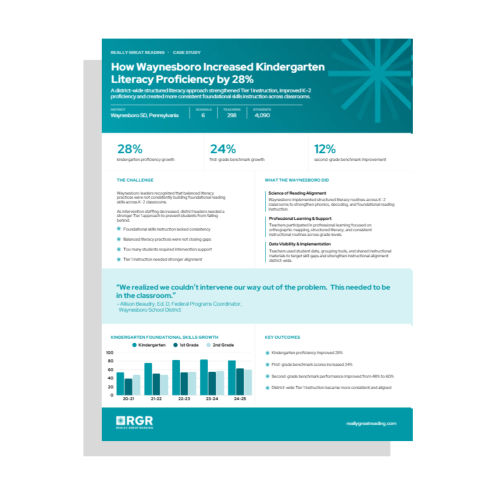
A Pennsylvania district that mirrors what many NY districts are working toward: moving beyond reactive intervention by aligning consistent, structured literacy instruction across all Tier 1 classrooms. The results show up in early literacy benchmark data and a reduced reliance on intervention.
The challenge: Inconsistent literacy practices failed to build foundational skills across K–2, causing students to struggle by 2nd grade despite appearing to progress in earlier years.
The approach: The district embedded RGR's structured literacy routines into daily Tier 1 instruction, supported by targeted PD.
The result: Kindergarten literacy proficiency increased by 28%, and first-grade benchmark scores grew by 24%.
RGR's literacy approach is grounded in the Science of Reading and validated through independent third-party research, with all-green EdReports ratings and ESSA evidence alignment. In New York, RGR partners with districts and BOCES on implementation that aligns to NYSED's Right to Read framework, P-3 literacy expectations, and the accountability measures districts are reporting against under state literacy reviews.
If you’d like to explore how RGR can support your students, we’d be glad to connect.
"We realized we couldn’t intervene our way out of the problem. We needed to fix Tier 1.
Our data has definitely grown. In kindergarten, we’re over 80% at benchmark. First grade isn’t there yet district-wide, but we have pockets at 90%."
New York's literacy work runs through districts, BOCES, and increasingly through state-level training partnerships. RGR is built to work inside that structure — not around it.
Intervention and foundational support that turn Science of Reading commitments into measurable reading outcomes, especially for students who need explicit instruction beyond the core program.
Structured, explicit, multisensory routines for students receiving special education services and multilingual learners — at every grade level, with materials and supports that respect both populations.
Partnership built for New York's BOCES structure. RGR coordinates with regional cooperatives on shared professional development, intervention adoption, and implementation support across member districts.

John Henyecz
John supports New York districts and BOCES across the state — from the Big 5 cities to smaller districts navigating the Right to Read transition. He’ll help you scope intervention, align with NYSED expectations, and identify the right starting point for your context.
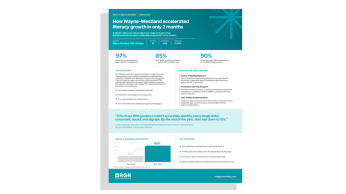
How one district increased fifth-grade decoding proficiency from 30% to 85% while helping 84% of students demonstrate measurable academic growth.
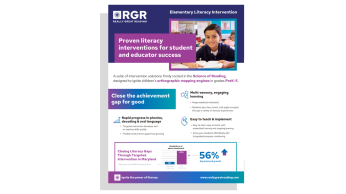
An overview of RGR's Tier 2 and Tier 3 elementary intervention pathways for New York district, BOCES, and city school leaders.
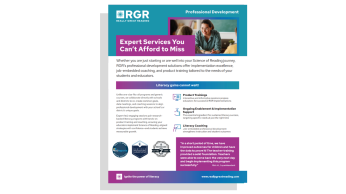
An overview of our structured PD offerings for New York educators, designed to strengthen Science of Reading instruction, support implementation fidelity, and build long-term instructional capacity across classrooms and schools.
How does RGR align with NYSED's Right to Read and Back-to-Basics initiatives?
RGR's structured literacy approach is built on the Science of Reading principles that NYSED's Right to Read framework prioritizes: explicit phonemic awareness, phonics, decoding, fluency, vocabulary, and comprehension instruction. RGR programs support districts working to implement the foundational practices NYSED's P-3 literacy expectations require, with implementation support that helps teachers translate state-level commitments into daily classroom practice.
How does RGR work alongside our core literacy program?
RGR is designed to supplement core programs, not replace them. New York districts use RGR to provide Tier 2 and Tier 3 intervention for students whose foundational reading gaps aren't fully closed by core instruction, to support multilingual learners and students receiving special education services, and to deliver age-appropriate adolescent intervention for older striving readers.
Can RGR support our multilingual learners?
Yes. RGR supports multilingual learners through structured, explicit literacy instruction that helps students access grade-level reading. Our programs are designed to work alongside ENL instruction and language-affirming practices, not replace them. RGR includes embedded multilingual supports such as native-language scaffolds, articulation videos, and visual resources that make foundational skills more accessible and easier to master. Teachers also have access to ready-made materials and family-facing resources that extend learning beyond the classroom. Together, these supports help accelerate literacy development while honoring and building on students’ home languages.
Does RGR partner with BOCES?
Yes. RGR partners with BOCES across New York to support professional development, structured literacy implementation, and district-wide intervention planning aligned to NYSED literacy priorities. RGR also works with regional BOCES partners to support district-wide implementation and professional learning models.
Are Really Great Reading programs research-backed and research-proven?
RGR’s programs meet the highest standards for literacy instruction, with near-perfect, all-green EdReports ratings for alignment, usability, and instructional quality. They are recognized by Evidence for ESSA for demonstrated improvements in student literacy outcomes and supported by ESSA Tier II studies showing accelerated student progress. The Reading League found no “red flags” in the skills RGR targets, and Rivet Education includes RGR in its Professional Learning Partner Guide for high-quality educator professional development.