
Science of Reading Progress Is Real—But Implementation Remains the Challenge
The Thomas B. Fordham Institute’s new national report, From the Teacher’s Desk: A Science of Reading Progress Report, highlights a critical shift in literacy education: while adoption of Science of Reading practices is increasing, consistent classroom implementation remains uneven.
Based on a nationally representative survey of more than 1,200 K–3 teachers, the report finds that many educators are still developing the knowledge and support needed to translate research into daily instruction—particularly in high-poverty schools.
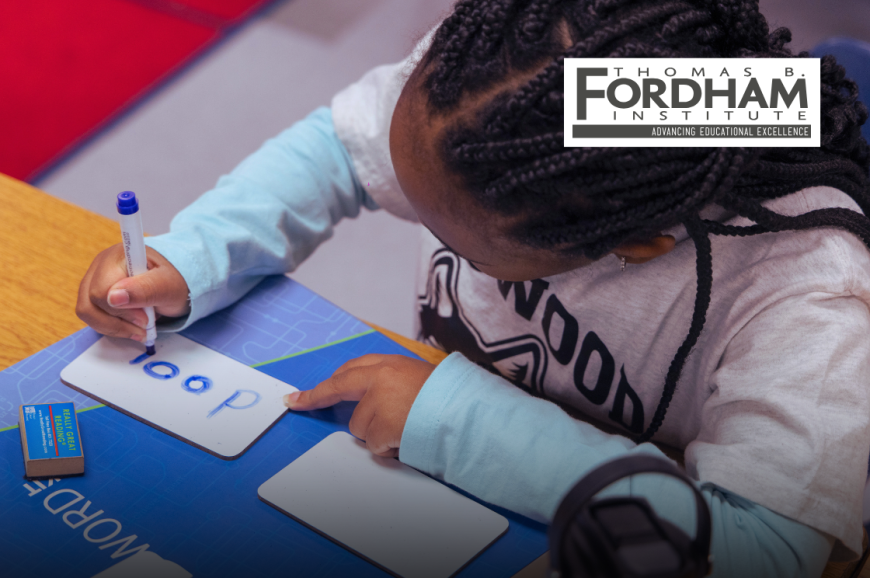
While state mandates have accelerated program adoption, a recent nationally representative survey by the Fordham Institute reveals that a critical "knowing-doing" gap remains at the classroom level. The report highlights that progress is real, but incomplete: although 82% of K–3 teachers have completed at least one Science of Reading-aligned training in the last three years, 30% still do not favor systematic phonics instruction—a figure that climbs to 41% in high-poverty schools.
When listing the specific, evidence-based frameworks that built their instructional confidence, surveyed educators explicitly named Really Great Reading (RGR) alongside national programs like LETRS (34%), Heggerty (28%), and UFLI (22%).
These findings directly reinforce a core argument long advanced by Really Great Reading and industry leaders like Karl Rectanus: adoption is only the first step. Checking a professional development box or mandating a new curriculum is not enough to shift deep-seated classroom preferences. To bridge this implementation gap and achieve measurable reading gains, school districts must move beyond one-time adoptions and build sustainable, institutionalized systems of ongoing accountability and consistent instructional support.
What does the Fordham Science of Reading report say?
The report finds that while adoption of Science of Reading practices is increasing, teacher knowledge and classroom implementation remain uneven.
What is the Science of Reading implementation gap?
The gap between adopting evidence-based literacy practices and consistently applying them in classroom instruction.
Why does implementation matter in literacy instruction?
Student outcomes depend not just on curriculum selection but on how effectively it is implemented by teachers.