
From Fragmentation to Fidelity: How Wayne-Westland Built a Literacy System That Works
Written by Nancy Schulz of Wayne-Westland Community Schools in Michigan, this practitioner byline in eSchool News details how the district moved from a fragmented, inconsistent reading program to a unified, Science of Reading-aligned literacy system built on diagnostic precision and structured implementation.
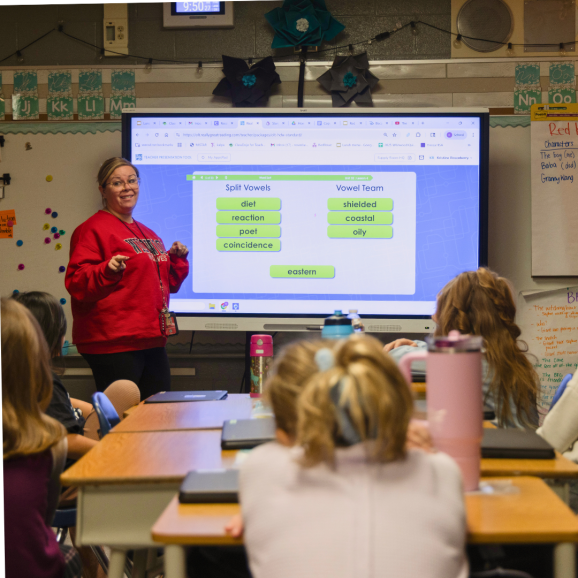
Schulz describes how the district's shift began with evidence-based universal screening: using diagnostic tools to identify exactly which students could not yet decode and which foundational skills were missing, rather than relying on generalized assessment data. That diagnostic foundation allowed the district to align professional development, coaching, and instructional materials into a coherent system accountable to outcomes — and the results were measurable: fifth-grade decoders performing at grade level climbed from approximately 50% to 78% over a single school year. The Wayne-Westland case study is a direct embodiment of the implementation model advanced by Really Great Reading (RGR) and CEO Karl Rectanus: that literacy gains require not just adoption of evidence-based materials but disciplined, diagnostic-driven implementation with accountability for student progress at every stage. RGR is credited in an editor's note.