



All Resources

All Resources

Find Your Resource

Filter by:
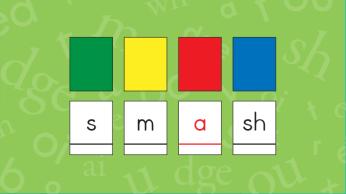
Maze imprinted on head
Oral Language
6 Ways to Support Oral Language Deficits
Oral language is a crucial part of daily interactions. Keep reading to learn about 6 Ways to Support Oral Language Deficits and enhance communication in your classroom.
Learn More
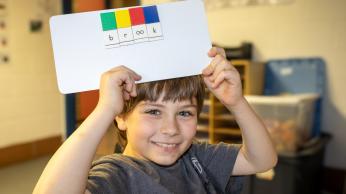
Boy with learning tool.
Foundational
How to Build an Effective Early Literacy Program
Early literacy holds the keys to preventing reading failure for most students. By establishing practices rooted in the science of early literacy, students will be put on a path to become skilled readers and thus orthographic mappers efficiently and engagingly.
Learn More
Document with data and a person's hand holding a pen
Data
How to use Student Data to Improve Reading Instruction
Student data is most valuable when it informs instructional decisions. By collecting meaningful literacy assessment data, identifying skill gaps, and responding with targeted instruction, educators can better support student growth and improve literacy outcomes.
Learn More
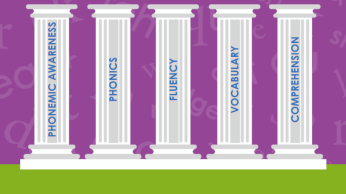
Five pillars of reading illustration.
Science of Reading
What are the Five Pillars of Reading?
The Five Pillars of Reading provide a research-based foundation for literacy instruction. Explore how phonemic awareness, phonics, fluency, vocabulary, and comprehension support reading success.
Learn More
Four women standing in front of RGR tradeshow table.
Professional Development
What Sets Our Professional Development Apart?
Become part of a community of over 200,000 educators who have participated in Really Great Reading's transformative Science of Reading Workshop!
Learn More
Let's Get StartEdD: The Most Profitable Companies Put Profit Second
Dyslexia
A Guide to Supporting Students With Dyslexia
Supporting students with dyslexia requires more than good intentions. Learn how early identification, structured literacy, accommodations, assistive technology, and collaborative support systems can help dyslexic learners build reading skills, confidence, and long-term success.
Learn More
What is abstract vocabulary illustration
Vocabulary
Abstract Vocabulary Instruction
Research shows that less frequent, lengthier, and more abstract vocabulary words are harder to learn, harder to recall, and harder to define. Many academic vocabulary words that students need to know starting in upper elementary school are abstract and found only in print
Learn More
Child writing and smiling at the camera.
Vocabulary
Really Great Vocabulary Powered by InferCabulary
Did you know, that reading comprehension is dependent on knowing the meaning of 98% of the words in the text? Low vocabulary plays a huge role in poor reading comprehension in grades 2-12. InferCabulary solves this problem by mimicking the act of avid reading!
Learn More
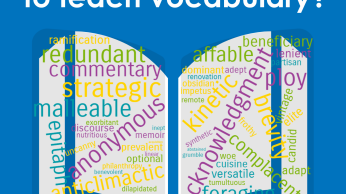
Book illustration with different vocabulary words
Vocabulary
Top Five Reasons to Teach Vocabulary
Young people are reading less and failing to build vocabulary amid a sea of text messaging and cyberchat says literacy and child development specialist Professor Tom Nicholson. It goes without saying that the best writers and speakers are often the widest read.
Learn More
A, B, C illustration
Vocabulary
Why Vocabulary Instruction Matters & 8 Strategies That Work
Vocabulary knowledge plays a critical role in reading comprehension, oral language development, and academic success. Effective vocabulary instruction helps students understand new words, make connections between ideas, and apply language across reading, writing, speaking, and listening.
Learn More
Parents with child, speaking with teacher.
Dyslexia
Understanding Dyslexia: Signs, Causes, and Effective Instruction
Dyslexia is one of the most common learning differences, yet misconceptions about it persist. Understanding what dyslexia is, how it affects reading and spelling, and which instructional approaches are most effective can help educators and families provide meaningful support for struggling readers.
Learn More
Three young kids posing for the camera together.
Dyslexia
Effective Dyslexia Intervention
Research consistently shows that students with dyslexia benefit from explicit, systematic, and structured literacy instruction. Learn how foundational skills instruction, phonemic awareness, phonics, morphology, fluency, and multisensory learning align with evidence-based dyslexia intervention.
Learn More
Home Connection

Really Great Reading’s Home Connection provides families with the necessary tools to reinforce the learning beyond the classroom.

Really Great Reading: Family Engagement Overview

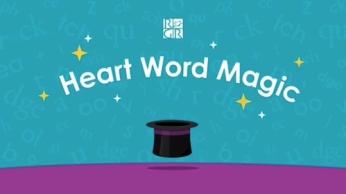
Engaging Learning Videos

Short videos cover key topics like syllables, reading strategies, and decoding longer words.

Helpful Resources

Letter Tile Free Play, Heart Word Magic, and materials for Countdown, Blast, and HD Word align with classroom learning.
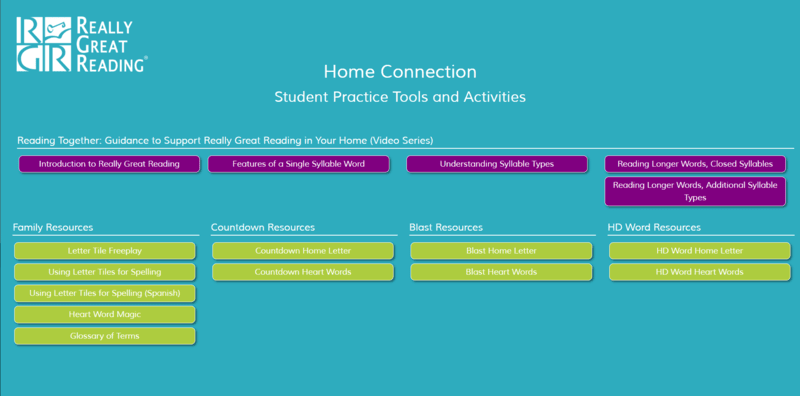
 

Home Connection start screen