
Dyslexia and Special Education Literacy Support
Students with dyslexia and other language-based processing differences benefit from explicit, systematic instruction that strengthens foundational reading skills, builds automatic word recognition, and supports long-term literacy success.

Dyslexia is a language-based learning difference that primarily affects word recognition, decoding, spelling, and reading fluency. It is neurobiological in origin and is not related to intelligence, motivation, or access to instruction. Students with dyslexia often benefit from explicit, systematic instruction that directly teaches how sounds, letters, and words work together.
Students with dyslexia and other language-based processing differences require explicit, systematic instruction to build foundational reading skills.
Addresses dyslexia as a common neurological difference that affects how the brain processes sounds, recognizes words, and connects print to meaning.
Meets the precise federal requirements for students identified with a specific learning disability in reading under the Individuals with Disabilities Education Act (IDEA).
Incorporates systematic classroom routines that directly teach and consistently reinforce the core mechanics of decoding and phonemic awareness.
Explicitly teaches how syllables, morphemes, letters, and speech sounds structurally work together to build strong orthographic mapping.
Focuses on moving striving readers beyond basic guessing strategies to build dependable, automatic word recognition and reading fluency.
Leverages proven, explicit structured literacy frameworks that cognitive science shows benefit students with dyslexia and reading difficulties the most.
Students with dyslexia often struggle with phonological processing, word recognition, decoding, spelling, and reading fluency. Because these skills are foundational to reading development, many students benefit from explicit, systematic instruction designed to strengthen how spoken language connects to print.
These challenges often require targeted, sustained support. When decoding and language skills are not yet secure, reading can become more effortful and limit access to grade-level content across subjects.
Without targeted intervention, these gaps persist and become harder to address over time. With the right instruction and support, students can build the skills needed for accurate, fluent reading, and continued academic growth.
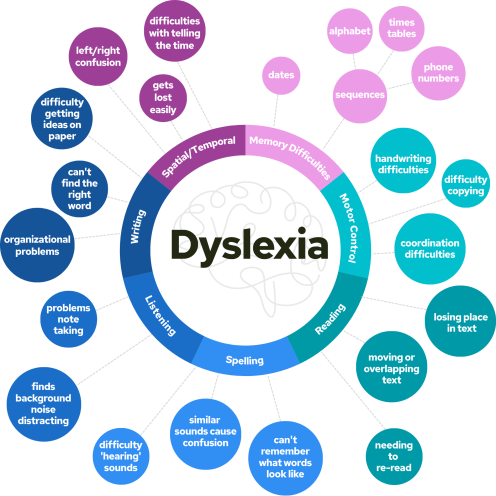
Dyslexia affects how students process sounds and connect them to written language. When decoding is slow or inaccurate, reading fluency and comprehension become more effortful.
Understanding how dyslexia affects reading highlights the need for explicit, systematic instruction that builds strong foundational skills.

Effective instruction for students with dyslexia begins with research-based practices. Structured Literacy, rooted in the Science of Reading, provides explicit, systematic, and cumulative instruction in phonological awareness, decoding, spelling, word knowledge, and comprehension.
This approach helps students develop accurate word recognition, fluent reading, and strong writing skills while supporting orthographic mapping and automatic word recognition.
When instruction is designed around how students learn to read, it builds literacy skills, confidence, independence, and access to grade-level learning.

The RGR Literacy Suite applies Structured Literacy principles aligned to the Science of Reading to help students develop the foundational skills needed for reading success.
Assessment data helps educators identify student needs, provide targeted intervention, and deliver appropriate support from core instruction through intensive intervention.
Clear instructional routines, aligned resources, and professional learning help schools deliver high-quality literacy instruction across classrooms and districts.
🟢 Addresses the language-based processing differences that contribute to reading difficulty through explicit, systematic instruction
🟢 Builds automatic word recognition through cumulative practice
🟢 Strengthens decoding, orthographic patterns, and morphology, including multisyllabic words and word parts
🟢 Develops phonemic awareness and sound-symbol connections that support accurate word recognition
🟢 Uses age-appropriate materials that support early skill development and respect the maturity of older students

🟢 Connects diagnostic data to instruction for precise grouping and targeted support
🟢 Standardizes instruction across classrooms and campuses through consistent routines and lesson design
🟢 Simplifies implementation with clear, easy-to-follow instructional routines
🟢 Aligns instruction across MTSS tiers to support consistent, scalable intervention

RGR programs are grounded in decades of reading research and validated through independent reviews. These evaluations confirm alignment with the Science of Reading and demonstrate measurable literacy outcomes.
Our long history in foundational literacy has been validated through rigorous research standards and real classroom results:
- Meets ESSA Evidence Standards at multiple levels
- Recognized as “Promising” by Evidence for ESSA
RGR partners with districts and schools to ensure literacy initiatives lead to meaningful results. Professional learning helps educators deliver Structured Literacy instruction rooted in the Science of Reading by building both the knowledge and the classroom practices that are needed to support all learners.
Through coaching, digital resources, and ongoing support, we help schools build a coherent instructional approach with aligned lessons, embedded progress monitoring, and consistent implementation practices.

What Should Schools Look for in a Dyslexia Intervention Program?
Effective dyslexia intervention programs should address the underlying language and reading skills that contribute to reading difficulty. Rather than focusing on compensatory strategies alone, instruction should directly teach students how spoken language connects to written language.
Schools should look for programs that include:
🟢Explicit, systematic instruction
🟢Phonemic awareness and phonics instruction
🟢Decoding and encoding (spelling) practice
🟢Support for orthographic mapping and automatic word recognition
🟢Instruction in morphology, including prefixes, suffixes, and word parts
Strong dyslexia intervention programs should also be designed for consistent implementation and provide educators with the training and resources needed to support student success.
How Does Structured Literacy Support Students With Dyslexia?
Structured Literacy helps students with dyslexia by providing explicit, systematic instruction in the foundational skills that support reading and writing. Lessons are carefully sequenced and build from simple to more complex concepts, helping students develop phonemic awareness, decoding, spelling, fluency, and language comprehension.
How Does Dyslexia Affect Reading Development?
Dyslexia primarily affects word recognition, decoding, spelling, and reading fluency. When reading words requires significant effort, students may have fewer cognitive resources available for comprehension, making reading more challenging across content areas.
What Reading Skills are Most Important for Students with Dyslexia?
Many students with dyslexia benefit from instruction that develops:
🟢Phonemic awareness
🟢Phonics and decoding
🟢Spelling and encoding
🟢Automatic word recognition
🟢Fluency
🟢Vocabulary and language comprehension
These skills work together to support skilled reading and long-term literacy development.
Can Students with Dyslexia Become Strong Readers?
Yes. Dyslexia does not limit intelligence, potential, or future success. With appropriate instruction, targeted intervention, accommodations when needed, and consistent support, students with dyslexia can develop strong literacy skills and become successful readers.
How Does the Science of Reading Support Students with Dyslexia?
The Science of Reading provides decades of research about how students learn to read and which instructional practices are most effective. Many evidence-based practices used to support students with dyslexia—including phonemic awareness, phonics, decoding, structured literacy, and explicit instruction—align closely with Science of Reading research.
Why Is Early Identification Important for Students with Dyslexia?
Early identification helps schools provide targeted support before reading difficulties widen and become more difficult to address. Early intervention can strengthen foundational skills, improve reading outcomes, and help students build confidence as learners.
Do Students with Dyslexia Need Accommodations?
Many students with dyslexia benefit from accommodations that help them access instruction and demonstrate their knowledge while continuing to build literacy skills. Examples may include audiobooks, text-to-speech tools, extended time, speech-to-text technology, and alternative ways to demonstrate understanding.