
Sound Walls vs. Word Walls
Do Educators Really Need to Choose?
As more schools adopt Science of Reading-aligned practices, sound walls have become increasingly popular. While sound walls support phonemic awareness, phonics, decoding, and spelling, traditional word walls can still play a valuable role in vocabulary development and writing. Understanding the differences between these tools can help educators create stronger literacy environments that connect speech, print, and meaning.
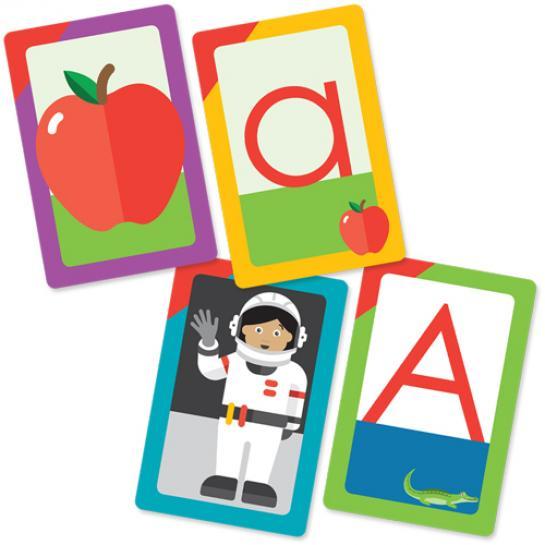
For decades, word walls have been a common classroom feature. Organized alphabetically, they provide students with a visual reference for frequently used words and can support vocabulary development, spelling, and writing.
As research on reading development has evolved, educators have begun examining whether traditional word walls fully support how students learn to read and spell. The Science of Reading has highlighted the importance of phonemic awareness, phonics, decoding, and orthographic mapping, leading many educators to explore sound walls as an alternative or complementary instructional tool.
Rather than organizing words by their first letter, sound walls organize instruction around speech sounds and the spelling patterns that represent them. This shift reflects an important understanding: students learn spoken language before they learn print, and effective literacy instruction helps students connect the two.
The growing popularity of sound walls has sparked an important question: Do educators need to replace word walls entirely, or can both tools support literacy instruction?
A word wall is a classroom display that organizes words alphabetically and serves as a visual reference for students. Traditionally, word walls include high-frequency words, vocabulary words, content-area terms, and words students commonly use in reading and writing.
Word walls can support literacy instruction by helping students:
- recognize frequently used words
- expand vocabulary knowledge
- reference spelling during writing
- make connections between words and meaning
For example, a student writing a personal narrative may use a word wall to locate the correct spelling of a word such as because or important. A content-area word wall may also help students remember the meaning of academic terms such as habitat or democracy.
Word walls are primarily focused on print and meaning. They help students access vocabulary and written language that can support reading and writing tasks.
A sound wall is a classroom tool that organizes speech sounds and the spellings used to represent them. Rather than beginning with letters, sound walls begin with phonemes, the individual sounds in spoken language.
Each sound is paired with the letters or letter combinations that can represent it. Many sound walls also include mouth pictures or articulation cues that show how sounds are physically produced.
Sound walls help students:
- develop phonemic awareness
- connect sounds to letters and spelling patterns
- strengthen decoding and encoding skills
- support orthographic mapping
- build automatic word recognition
For example, a student trying to spell the word train can identify the sounds in the word and use a sound wall to determine that the long /a/ sound may be represented by ai. This speech-to-print approach helps students understand how sounds and spellings work together.
Because sound walls focus on speech sounds and sound-spelling relationships, they align closely with Science of Reading research and structured literacy instruction.
Discover how sound walls support phonemic awareness, phonics, and speech-to-print instruction. Learn the fundamentals and see how sound walls can strengthen literacy instruction.
Although both tools support literacy development, they are designed to serve different instructional purposes.
| Sound Wall | Word Wall |
|
|
A student learning to read and spell unfamiliar words benefits from understanding sound-spelling relationships. A student learning the meaning of new academic vocabulary benefits from seeing and using words in meaningful contexts. Both tools support literacy development, but they do so in different ways.
The conversation is often framed as sound walls versus word walls, but the reality may be more nuanced.
Sound walls and word walls support different aspects of literacy development. Sound walls are particularly valuable for foundational skills instruction because they help students connect speech sounds to print. Word walls can support vocabulary growth, writing, and content-area learning by providing easy access to important words and concepts.
For many classrooms, the question is not which tool is better. The more important question is which instructional goal the tool is supporting.
A kindergarten classroom focused on phonemic awareness and phonics may rely heavily on a sound wall. An upper elementary classroom may benefit from a sound wall for foundational skills instruction while also maintaining a vocabulary-focused word wall to support academic language and writing.
When used intentionally, both tools can contribute to a comprehensive literacy environment.
Sound walls are particularly effective when the instructional goal is helping students understand how spoken language connects to written language.
They can be especially valuable during:
- phonemic awareness instruction
- phonics lessons
- decoding practice
- spelling instruction
- intervention and small-group instruction
- orthographic mapping activities
Because sound walls make sound-spelling relationships visible, they help students develop the knowledge and connections needed for accurate reading, spelling, and automatic word recognition.
Educators seeking to strengthen foundational skills instruction may find that a sound wall provides more direct support for the processes involved in learning to read and spell.
Word walls are particularly effective when the instructional goal is building vocabulary knowledge, supporting writing, and helping students make connections between words and meaning.
They can be especially valuable during:
- vocabulary instruction
- writing activities
- content-area learning
- academic language development
- reading comprehension discussions
- knowledge-building units
For example, a science word wall may include terms such as habitat, adaptation, and ecosystem that students encounter throughout a unit of study. A writing-focused word wall may highlight descriptive words, transition words, or high-frequency words that students can reference during independent writing.
Word walls can also support semantic reasoning by helping students explore relationships between words, categories, and concepts. Organizing words by topic, concept, or meaning encourages students to make connections that deepen vocabulary knowledge and comprehension.
When used intentionally, word walls help students build academic language, expand vocabulary, and apply new words across reading, writing, speaking, and listening activities.
Sound walls and word walls are not competing tools. They support different aspects of literacy development and can work together to create a more comprehensive literacy environment.
Sound walls help students connect speech sounds to letters and spelling patterns, supporting phonemic awareness, phonics, decoding, encoding, and orthographic mapping. Word walls help students build vocabulary, strengthen academic language, and make meaning from the words they encounter in reading and writing.
Rather than asking which tool is better, educators may find greater value in considering how each tool supports specific instructional goals. When used intentionally, sound walls and word walls can complement one another, helping students connect speech, print, and meaning as they develop into skilled readers and writers.
- Sound walls organize instruction around speech sounds and support phonemic awareness, phonics, decoding, spelling, and orthographic mapping.
- Word walls organize words alphabetically and support vocabulary development, writing, academic language, and comprehension.
- Sound walls help students connect speech to print, while word walls help students connect words to meaning.
- Sound walls are particularly valuable during foundational skills instruction, while word walls can be effective tools for vocabulary and content-area learning.
- Educators do not necessarily need to choose one over the other. Both tools can support literacy development when used intentionally and aligned to instructional goals.