
The Connection Between Oral Language, Reading, and Writing
Oral language does more than support conversation. It helps students develop the vocabulary, language comprehension, and communication skills they need to become successful readers and writers. Understanding the connection between oral language, reading, and writing can help educators strengthen literacy instruction from the earliest grades.
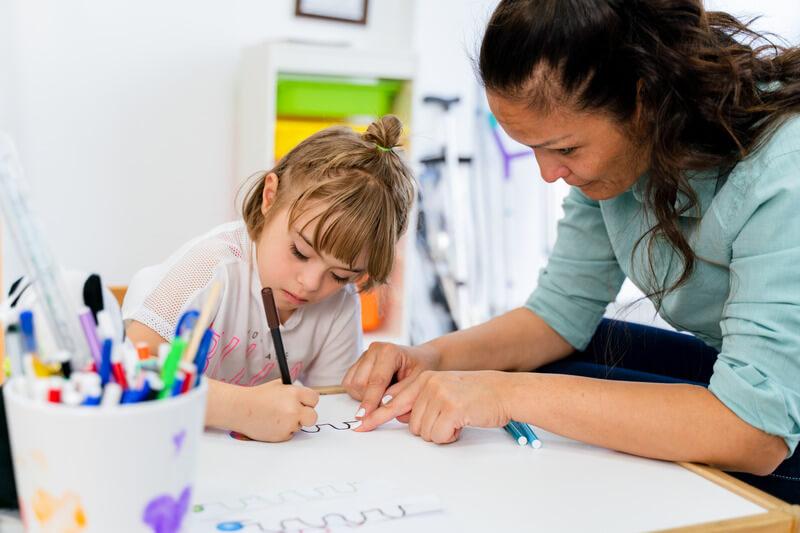
Reading and writing may appear to be separate literacy skills, but both are built on a foundation of language. Before students can make meaning from text or express ideas in writing, they need strong oral language skills. Vocabulary knowledge, language comprehension, sentence structure, and spoken language all contribute to literacy development. Exploring these connections can help educators create more intentional opportunities to support reading, writing, and language growth together.
Oral language is one of the strongest foundations of literacy development. Before students learn to read or write, they learn to communicate through listening and speaking. Through conversations, stories, songs, play, and everyday interactions, children begin building the language knowledge they will later use to make meaning from text and express ideas in writing.
Oral language supports literacy development by helping students build vocabulary, language comprehension, sentence structure, and communication skills. These abilities allow students to understand increasingly complex language, connect words to meaning, and communicate their own thoughts more effectively.
Reading and writing may appear to be separate literacy skills, but both depend on language. Students draw upon their oral language knowledge every time they decode a word, comprehend a passage, explain an idea, or write a sentence. The stronger a student's language foundation, the stronger their potential foundation for literacy learning.
Oral language refers to the spoken language skills we use to communicate, understand, and make meaning of the world around us. It includes listening, speaking, vocabulary knowledge, grammar, sentence structure, storytelling, and language comprehension.
Children begin developing oral language long before they enter school. From infancy, they learn language through interactions with parents, caregivers, siblings, and others around them. As they listen to conversations, ask questions, tell stories, and engage in play, they continue expanding their understanding of how language works.
Oral language is more than speaking words. It includes understanding what others say, using vocabulary appropriately, organizing ideas into sentences, and communicating thoughts clearly. These skills become increasingly important as students encounter more complex reading and writing tasks throughout their educational journey.
Reading comprehension and writing development are deeply connected to oral language. Explore the research behind language-based literacy instruction.
The connection between oral language and reading begins long before students encounter printed text.
As children listen, speak, and engage in conversations, they build the language knowledge that later supports reading development. Vocabulary, language comprehension, and phonological awareness all develop through oral language experiences and contribute to a student's ability to make sense of written language.
Consider a child who says, "It's cold outside." An adult might respond, "It is a bit chilly today, but it's really cold when it snows." Through simple conversations like these, children are exposed to new vocabulary, deeper word meanings, and more sophisticated language structures. Over time, these interactions help expand vocabulary knowledge and strengthen language comprehension.
Oral language supports foundational reading skills in several ways:
- Vocabulary development helps students understand the words they encounter in text.
- Phonological awareness helps students recognize and manipulate sounds in spoken words.
- Language comprehension helps students make meaning from stories, conversations, and written text.
- Listening comprehension provides a foundation for reading comprehension.
As students learn to decode words, they must also connect those words to meaning. A student may successfully read the word enormous, but if they have never heard or used the word before, comprehension may break down. Oral language helps bridge that gap by providing the vocabulary and language knowledge students need to understand what they read.
Strong oral language skills do not replace explicit reading instruction, but they provide important support for the foundational reading skills students need to become successful readers.
Writing begins with language. Before students can communicate ideas in writing, they must first develop the ability to organize thoughts, use vocabulary effectively, and express themselves through spoken language. In many ways, writing is oral language translated into print.
Think about a student preparing to write a personal narrative. Before putting pencil to paper, that student may describe an event aloud, share details with a partner, or talk through the sequence of events with a teacher. Those conversations help shape the ideas that eventually become written text.
Oral language supports writing development by helping students:
- build vocabulary knowledge
- develop sentence structure and grammar
- organize ideas and narratives
- explain thinking clearly
- communicate with greater precision
Students often rehearse ideas orally before writing them down. Classroom discussions, storytelling activities, partner conversations, and opportunities to explain thinking all help strengthen the language skills students later draw upon as writers.
When students have a strong oral language foundation, they are better equipped to communicate ideas clearly, expand their vocabulary choices, and create more meaningful written work.
Reading and writing are often taught as separate subjects, but they continually reinforce one another. As students read, they encounter new vocabulary, sentence structures, text organization patterns, and ways of communicating ideas. These experiences provide models that students can draw upon in their own writing. At the same time, writing gives students opportunities to apply many of the skills they use as readers. Students must think about word choice, sentence structure, organization, and meaning as they communicate ideas to others.
Consider a student reading a nonfiction text about weather. Through reading, the student learns new vocabulary such as forecast, temperature, and precipitation. Later, when writing a summary or explanation, the student can apply those same words and concepts in written form.
This reciprocal relationship helps strengthen literacy development over time:
- Reading exposes students to new language and ideas.
- Writing gives students opportunities to apply that language.
- Reading builds knowledge and vocabulary.
- Writing deepens understanding and communication.
Both reading and writing rely on the language foundation developed through oral language experiences. When students have opportunities to speak, listen, read, and write in meaningful ways, growth in one area often supports growth in the others.
Reading, writing, speaking, and listening are often discussed as separate skills, but they are deeply interconnected.
Students rely on oral language to understand stories, participate in classroom discussions, communicate ideas, and make meaning from text. The language knowledge they develop through speaking and listening becomes the foundation upon which literacy skills are built.
Oral language growth happens through meaningful interactions and exposure to rich language experiences. One of the most effective ways to support oral language development is through conversation. Talking with children, asking questions, encouraging them to share ideas, and expanding on their responses helps build vocabulary and language knowledge over time.
For example, when a child says, "It's cold outside," an adult might respond by introducing a new word such as chilly and encouraging additional discussion. These simple interactions help children hear and use increasingly sophisticated language in meaningful contexts.
Other activities that support oral language development include:
- reading aloud and discussing texts
- singing songs and reciting rhymes
- engaging in storytelling and story retelling
- encouraging imaginative play
- participating in classroom discussions
- exploring new vocabulary through conversation
Read-alouds are particularly powerful. Children whose parents, guardians, or caregivers regularly read aloud and share picture books are exposed to two to three times as many sophisticated words and more complex sentence structures than children who primarily experience conversation alone.
These language experiences help students build the vocabulary, background knowledge, language comprehension, and communication skills that support both reading and writing development. For educators, this reinforces an important idea: oral language instruction is not separate from literacy instruction. It is one of the foundations of literacy development and an essential component of helping students become confident readers, writers, and communicators.
The connection between oral language, reading, and writing is both powerful and enduring.
Students who have opportunities to develop vocabulary, language comprehension, narrative skills, and oral communication are building skills that support literacy learning across subjects and grade levels. Whether students are learning to decode words, understand increasingly complex texts, or express ideas through writing, they draw upon the language foundation they have been developing since early childhood.
Supporting oral language development does not require a separate instructional block. It can happen through meaningful conversations, interactive read-alouds, explicit vocabulary instruction, storytelling, discussion, songs, and everyday classroom interactions.
When educators intentionally support oral language development, they are also supporting reading, writing, and long-term academic success. Strong oral language skills help students become stronger communicators, more confident readers, and more capable writers, laying the foundation for future learning both inside and outside the classroom.
- Oral language provides a foundation for reading, writing, and overall literacy development.
- Vocabulary, language comprehension, and phonological awareness developed through oral language support reading success.
- Strong oral language skills help students organize ideas, communicate clearly, and become more effective writers.
- Reading and writing strengthen one another by building vocabulary, knowledge, and communication skills.
- Conversations, read-alouds, storytelling, songs, and word play all contribute to oral language growth.
- Supporting oral language development is an important part of effective literacy instruction.
Coach's Corner is a free on-demand webinar series designed for literacy coaches, administrators, and instructional leaders. Explore essential topics such as phonemic awareness, oral language, handwriting, MTSS, and informed practice while learning how to recognize effective instruction, support teachers, and strengthen literacy outcomes.
What is oral language?
Oral language refers to the spoken language skills we use to communicate and understand others. It includes listening, speaking, vocabulary knowledge, grammar, sentence structure, storytelling, and language comprehension.
Why is oral language important for literacy development?
Oral language helps students build the vocabulary, language comprehension, and communication skills they need for reading and writing. Strong oral language skills support literacy development by helping students understand text, express ideas, and make meaning from language.
How does oral language support reading development?
Oral language supports foundational reading skills by helping students develop vocabulary, phonological awareness, listening comprehension, and language comprehension. These skills help students connect written words to meaning and better understand what they read.
How does oral language support writing development?
Oral language helps students organize thoughts, develop vocabulary, build sentence structure, and communicate ideas clearly. Students often rehearse ideas through speaking before expressing them in writing, making oral language an important foundation for writing development.
What is the connection between oral language, reading, and writing?
Oral language, reading, and writing are closely connected. Oral language provides the foundation for literacy development, while reading and writing reinforce one another. As students read, they gain new vocabulary and language structures that support writing. As they write, they apply the language and literacy skills they develop through reading and oral communication.
What are examples of activities that support oral language development?
Activities that support oral language development include engaging in conversations, reading aloud and discussing texts, singing songs and reciting rhymes, storytelling and story retelling, participating in classroom discussions, and playing with language through word games and vocabulary activities
These experiences help students build vocabulary, language comprehension, and communication skills.
How do read-alouds support oral language development?
Read-alouds expose students to sophisticated vocabulary, rich language structures, and meaningful discussions. They provide opportunities for students to hear language used in context, ask questions, build background knowledge, and strengthen language comprehension.
Why should educators include oral language instruction in literacy instruction?
Oral language instruction supports the development of reading, writing, speaking, and listening skills. Because literacy is built on language, creating opportunities for students to engage in meaningful conversations, discussions, and language-rich activities can strengthen literacy outcomes across subject areas.